The Systems Person: Creative Ability for Marketing Ops and the CRM Admin
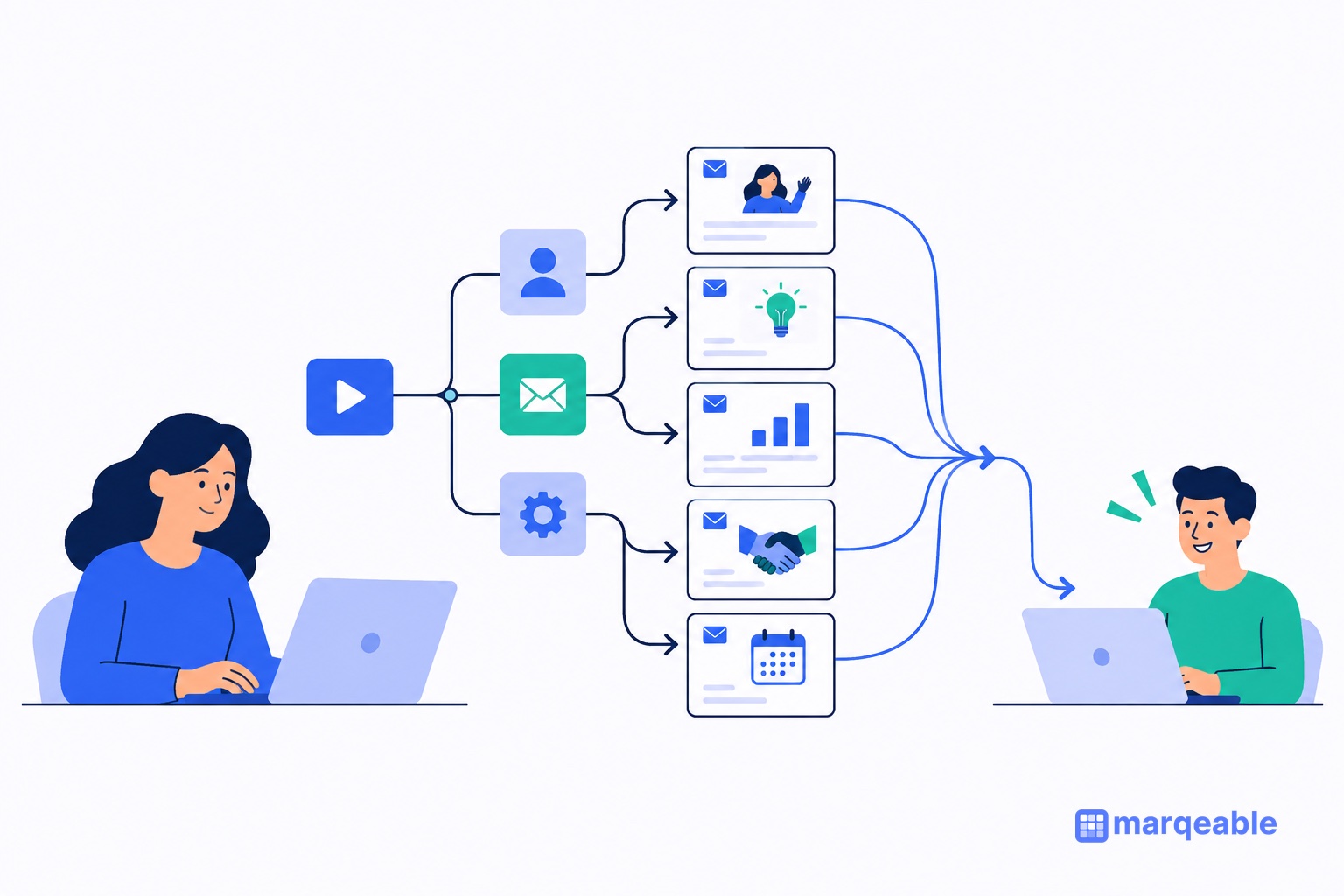
Part of a series on creative ability by marketing persona. The overview is in every marketer is now expected to be creative. This post is about the person who keeps everything running and is handed a blank email because everyone else is busy.
What the ops person has
The marketing ops person, or the HubSpot admin, or the one marketer who ended up owning the CRM, is the person who knows how the machine actually works. They know which lifecycle stage a contact is really in and why the field says otherwise. They know what the sending domain’s reputation looks like this week. They know that the trial sequence fires on day two because of a workflow someone built in 2023, and they know how to fix it.
They design the logic: who gets what, when, triggered by what, suppressed by what. They keep the data clean enough that a segment means what it says. They keep the emails landing in inboxes. When a campaign goes out, it goes out because ops made the list, built the send and checked the links.
In a small team they are the reason anything is repeatable. The playbook for this role at a company without an ops hire is in marketing ops without a marketing ops hire, and the lifecycle map they maintain is in the HubSpot lifecycle stages and automations map.
What the ops person lacks
The words, and the pictures, and the time to care about either.
Here is how it happens. The nurture sequence needs five emails. The writer has the launch. The founder is travelling. The ops person, who built the workflow and knows exactly when each email fires, is told to “just write the nurture, you know what it needs to say”. So they do. The emails are correct. Every claim is accurate, every link works, the timing is right, and the whole sequence reads like a system notification. Subject line: “Your trial: day 3”. Body: three features and a button.
The same happens with the header image, which is the one from the last sequence, and the onboarding email, which is a wall of text because building a layout is a project, and the reactivation email, which says “We noticed you haven’t logged in” because that is what the trigger is called.
Ops writes to the trigger, not to the reader. That is not a failing. Ops was never asked to be the voice, has no written-down voice to work from, and has eleven other things running. The output is the output of someone whose job is the system, doing a job that belongs to the voice. Why hand-written copy drifts generic under exactly these conditions is in chatbot and AI brand voice drift, and the same mechanism applies to an ops person with no brief and no voice document.
The cost is quiet. A lifecycle sequence runs for a year. Five flat emails, firing correctly, to every trial for twelve months, is a year of the company’s most important conversation conducted in the voice of a notification.
The fill: ops owns the logic, the line owns the words
The reframe for this persona is that they already write excellent briefs. A workflow definition is a brief: who, when, why, what happens next. What ops is missing is the step between the brief and the words, and that step is the line.
Station one, the brief is the logic. Ops describes the sequence to the campaign agent the way they would describe it to a writer, if they had one: the trigger, the audience, what the contact has and has not done, what we want them to do next, the timing. The agent asks what a producer would ask and holds the answers alongside the business context captured once: who the company sells to, what it claims, how it sounds, what it looks like. For a lifecycle program, the brief is the map ops already maintains.
Station two, the drafts, in the voice. Agents draft each step in the sequence from the brief, in the brand voice, written to the reader rather than to the trigger. “Your trial: day 3” becomes the email a person would want on day three, and the reactivation email stops announcing that we noticed. The review agent reads every step for language, brand, compliance and claims before ops does. The sequences that work, step by step, are in the SaaS free trial email sequence and the SaaS win-back sequence.
Station three, ops approves the copy. One gate. Ops reads for the thing ops is best at, is this accurate, does it match what the system will actually do, is the claim true for this segment, and approves. Before any image exists.
Station four, images from the brand look, templated. Lifecycle emails mostly need recurring formats: a header, a simple visual, occasionally a feature illustration. Those should be templated inside the brand look once and reused, with the occasional generated image for the piece that deserves one. This is a system, and ops is the right person to run it. The template-or-generate decision is in producing marketing creative without a designer.
Station five, the automation runs from the same place. The approved sequence is the automation. There is no rebuild in the workflow tool, because the draft is the thing that sends, and revenue is traced to each message in the sequence, which gives ops the readout they always wanted and never had: which step in the nurture produced the meeting.
Ops was never the problem with the nurture. The absence of a voice to write from, and a writer to write it, was. Give ops a brief-first line with the voice captured once, and the system person ships emails with a person in them.
What the ops person ships this week
A hypothetical B2B company, Northwind, with an ops marketer who owns the CRM and a five-step trial nurture that has run unchanged for a year.
| Piece | Before | After |
|---|---|---|
| Trial nurture, five steps | Written by ops in an afternoon, correct and flat, unchanged for a year | Rebriefed from the lifecycle map, drafted in Northwind’s voice, each step written to the reader, approved by ops for accuracy |
| Onboarding email | Wall of text, one button | Templated layout in the brand look, header made from the approved copy |
| Reactivation email | ”We noticed you haven’t logged in” | A reason to come back, with the claim ops can substantiate for that segment |
| Headers across the lifecycle | The one from 2023 | A templated set in the brand look, reused across every sequence |
| Readout | Open rate per email | Revenue traced to each step, so ops can see which email in the nurture books the meeting |
Ops spent the week on the logic and the approvals, which is the job, and the sequence now sounds like Northwind.
The header for the day three email in Northwind’s trial nurture, generated in the Marqeable image studio from that step’s brief in Marqeable’s own brand look as a stand-in for Northwind. The same build drafted the email itself, written to the reader rather than the trigger.
What the ops person should not do
Do not let the brief become a workflow export. The brief is the trigger, the audience and what we want them to do, in plain words. A screenshot of the workflow builder is not a brief, and the drafts will come out as flat as the old ones.
Do not approve for voice. Approve for accuracy, which is what ops is best at. The review agent and the captured voice handle the rest, and if the voice is wrong, fix the voice document once rather than every email.
Do not generate what should be templated. Lifecycle creative is recurring by nature. Template the headers in the brand look, generate the occasional hero, and keep the system simple enough that it is still running in a year, which is the standard ops holds everything else to.
Frequently asked questions
Should marketing ops write the nurture emails?
They often have to, and the result is usually correct and flat, because ops writes to the trigger rather than to the reader. Drafting from a brief in a captured brand voice, with the review agent checking language and claims, gives ops a nurture that sounds like the company, and the ops person keeps the part they are best at: the logic, the timing and the deliverability.
What is marketing ops good at that writers are not?
The system. Lifecycle stages, segmentation, triggers and timing, deliverability, data hygiene, what the CRM actually knows about a contact and what it does not. A nurture sequence designed by ops fires at the right moment to the right person. The words in it are the part ops is usually asked to supply without the time or the voice to do it well.
How can an ops marketer make images without a designer?
Capture the brand look once and generate inside it, from approved copy, one image at a time, with the logo overlaid. Lifecycle emails mostly need recurring formats, headers and simple visuals, which should be templated in the brand look rather than generated fresh. Ops is well placed to run that system, because it is a system.
How does Marqeable help a marketing ops person?
The business context and brand look are captured once. Ops briefs the sequence and the trigger, agents draft each step in the brand voice, the review agent checks language, brand and claims, ops approves at one gate, images are made in the brand look after that, and the automation runs from the same workspace with revenue traced to each message.
The bottom line
The marketing ops person runs the system and is handed the words because nobody else is free, and the words come out correct and lifeless, running unchanged for a year. The fix is not to make ops a writer. It is to treat the workflow logic as the brief, draft each step in a captured brand voice with claims checked, let ops approve for accuracy at one gate, template the recurring visuals in the brand look, and run the sequence from the same place the revenue is traced.
That is the line Marqeable runs for a lifecycle program: ops briefs the logic, agents draft the steps in your voice, the review agent checks, ops approves, images come from the brand look, the automation runs, and each message is traced to the meetings it books. A systems person who can brief ships a nurture with a person in it. That is what the factory exists for: more leads generated, and more of them won as customers.
See each station of the factory: build campaigns from one brief, review and approve content, run follow-up with automations, answer visitors with website chat, and tie revenue to the exact message with attribution.
Marqeable runs your campaigns, answers every visitor, text, and email in seconds, and turns them into booked jobs and meetings - even at 9pm on a Saturday. We’re in private beta with a small early cohort. Get early access
